Kairos
/Kīräs/ a propitious moment for decision or action
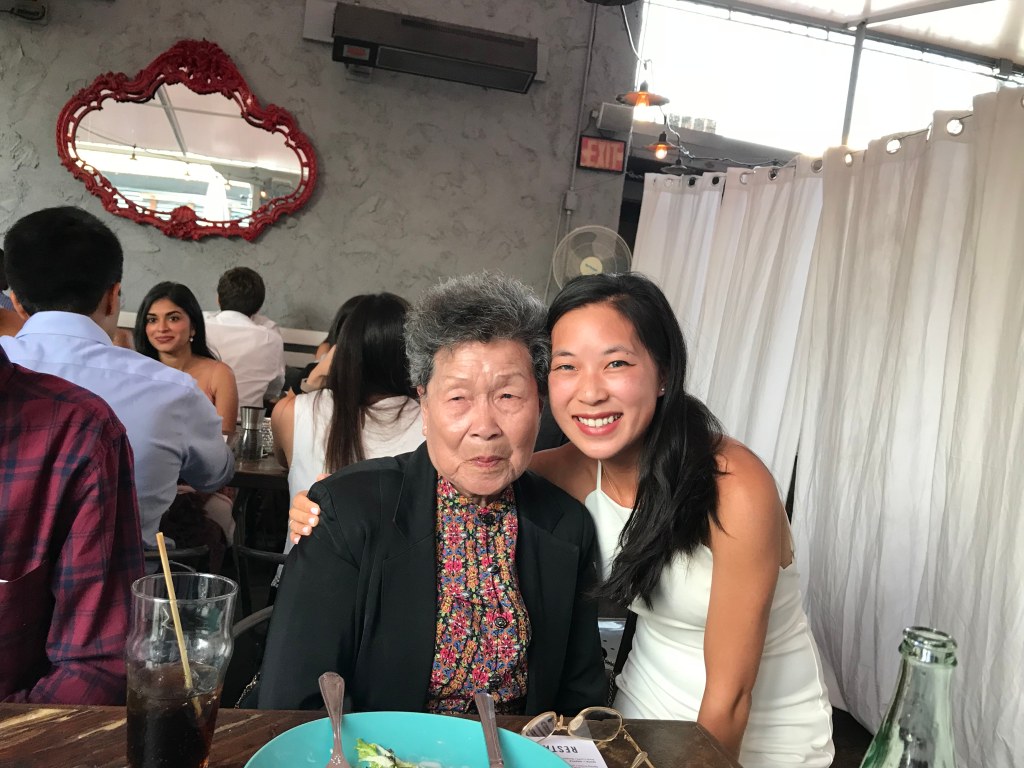
Two months ago, I walked out of a cushy corporate job. There was no exit interview until I got to Christmas dinner, when Grandma, a fiery, 90-year-old Chinese woman, asked me the question:
Why do you want to be unemployed to travel around the world and live in ghetto places?
She was evaluating my decision against a checklist for first-generation, Asian Americans: elite undergraduate degree, well-paying job, more brag-worthy school, and the perfect man to start #adulting (you know, buying houses and popping babies).
Through collective translations (thank God for cousins) and my own pathetic Cantonese, I explained that Jay and I will be traveling and doing skills-based volunteering with social enterprises in developing countries.
Ticking off checkboxes has served me well, but it’s also shown me that I’ve been playing too small.
When I was five, I started a quest to reach my potential. It looked like winning the Olympic gold for tap dance and getting accepted into Stanford University. Each challenge was an opportunity to prove myself, but my understanding of personal best was narrow. I tied ability to brands and external validation, which reinforced an achievement-driven life.
While achievement sounds self-interested, I think it prepares people to be service-oriented. What matters most to me is living generously, exhausting talent, time, and money to develop people’s potentials. But, giving means having something to offer.
So, twenty-something Jen focused on personal development, getting two business degrees, a management consulting gig, and international experiences. By acquiring more knowledge and skills, I invested in myself to give excellence to others. I was becoming qualified to build a dance ministry and make a difference in the world.
But, self-development became procrastination, an excuse to withhold my gifts instead of responding to needs at hand, with whatever I had to offer.
One night, over roasted crab and garlic noodles, Grandma told me stories about overseeing quality control at a textile factory; taking care of the elderly; being a nanny; and wishing she had volunteered to cook food for senior citizens. Once, a lady at the senior home asked the supervisor to identify the best caretaker, and he responded, “The one who doesn’t speak English.” My grandma doesn’t know how to read or write, but people loved her for the way she worked with her hands, applying diligence, integrity, and compassion.
Grandma didn’t wait to become good or skilled enough for the things that were important. She just did her best, probably improvising much of the time. At my age, she juggled two jobs and raised five kids in Hong Kong on her own, making due with her work and support from people who chose to be family (like my dad’s foster parents, the Rockers).
Grandma strove to give her children a better life, fighting for generative opportunities, where success builds on itself and the fruits of labor get passed down. Fortunately, my dad and all his siblings started lives in San Francisco, with spouses, houses, and college-graduate kids. When getting to America cost that much hard work and sacrifice, the fear of backsliding is real, and for Grandma, I imagine the instinct is to get an education and hold onto a career – insurance.
I quit my job because my parents’ sacrifices future-proofed my opportunities with a UC Berkeley degree. They put me in a position to lead a privileged life in service of others.
Instead of chasing more achievements and qualifying myself for a larger purpose, my goal is to be more like Grandma, offering what’s in my hands, right now. Reaching my potential is no longer about discovering my limits; instead, the true measure of success is being able to give more of myself away. So, I’m re-orienting my intentions and actions toward others, and there’s no better time than now.
 Jennifer Lauren
Leave a comment